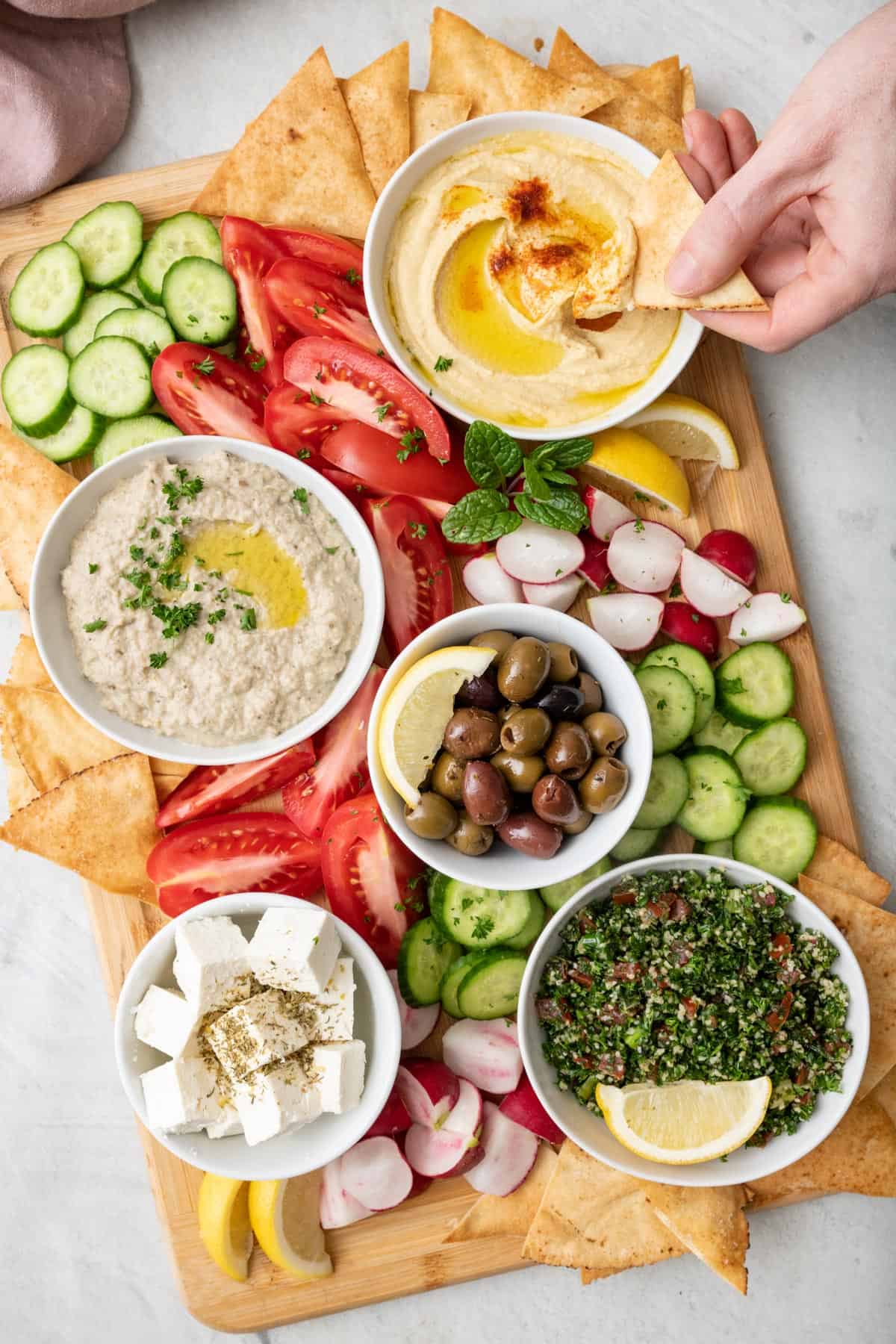
Embrace the Mediterranean Mezze Platter: The Ultimate Alternative to Charcuterie
In the realm of effortless entertaining, few things rival the visual appeal and sheer deliciousness of a well-curated grazing board. While charcuterie has long reigned supreme, a vibrant and flavorful challenger has emerged, offering a fresh, often healthier, and equally impressive alternative: the Mediterranean
mezze platter. Far from a mere trend, mezze embodies a deeply rooted culinary tradition from the Eastern Mediterranean, Middle East, and North Africa, inviting guests to savor a diverse array of small dishes that burst with color, texture, and exquisite taste.
Think of a
mezze platter not just as food, but as an experience—a culinary journey that encourages conversation and connection over shared bites. It's an ideal choice for any gathering, from a casual weeknight with friends to an elegant cocktail party. For those seeking inspiration, even culinary icons like Ina Garten champion the mezze concept, showcasing its versatility and ease. This article will guide you through crafting your own spectacular Mediterranean
mezze platter, drawing on expert tips and expanding on traditional elements to help you create an unforgettable spread.
What Defines a Mediterranean Mezze Platter? A World of Flavor in Small Bites
At its heart, "mezze" (or "mezza") refers to a selection of small dishes served as appetizers, snacks, or even a light meal. It's fundamentally about variety, freshness, and the communal joy of grazing. While a charcuterie board typically centers around cured meats, cheeses, and often richer accompaniments, a
mezze platter shifts the focus to a more plant-forward, fresh, and often brighter flavor profile.
The foundations of a classic Mediterranean
mezze platter are built on a delicious interplay of:
- Creamy Dips: Staples like hummus (chickpea and tahini dip), baba ganoush (smoky eggplant dip), and often labneh (strained yogurt) or tzatziki (cucumber and yogurt dip) provide rich, savory bases.
- Briny Bites: Olives, especially robust Kalamata varieties, and marinated artichoke hearts or peppers add a delightful tang and umami.
- Fresh Vegetables: Crisp cucumber spears, sweet cherry tomatoes (often left on the vine for visual appeal), bell pepper strips, radishes, and vibrant herbs offer crunch and natural sweetness.
- Artisanal Cheeses: Feta is a must, its salty, tangy notes complementing almost everything on the board. Halloumi, either raw or lightly grilled, also makes an excellent addition.
- Carbohydrates for Scooping: Warm pita bread, cut into triangles, is essential for dipping, alongside crunchy pita chips, slices of rustic sourdough, or even gluten-free crackers.
- Unique Delicacies: Stuffed grape leaves (dolmades), falafel, and sometimes even small portions of vibrant salads like tabbouleh can elevate the experience.
In countries like Lebanon, mezze is a significant part of any meal, often starting with cold dishes and progressing to hot ones. The beauty of a home-assembled
mezze platter is bringing many of these elements together on a single, appealing board, allowing your guests to explore a spectrum of authentic Mediterranean tastes.
Crafting Your Signature Mezze Platter: Inspired by Ina Garten
Even the Barefoot Contessa herself, Ina Garten, turns to a
mezze platter when entertaining, particularly during those transitional seasons when fresh produce abounds and heavy cooking feels out of place. Her approach beautifully demonstrates how to create an elegant and flavorful spread with minimal effort, proving that gourmet doesn't always mean homemade from scratch.
Ina’s genius lies in her ability to *elevate* store-bought ingredients, transforming them into something truly special. Here's a look at her key components and how you can replicate her magic:
The Foundation and Core Elements:
- Board Base: Ina often uses fresh fig leaves to line her board, not only adding a beautiful natural aesthetic but also subtly separating items. If fig leaves aren't available, large fresh mint or basil leaves, or even parchment paper, can serve a similar purpose.
- Dips Elevated: While Ina champions store-bought hummus and baba ganoush, she never serves them plain. Her secret? A generous drizzle of high-quality olive oil, a sprinkle of pine nuts for texture, and a scattering of vibrant pomegranate seeds on the hummus. This simple act transforms a basic dip into a visual and textural masterpiece. For more ideas on maximizing convenience, you might find inspiration in Effortless Mezze: Ina's Store-Bought Hacks for a Stunning Platter.
- Feta Focus: Instead of simply crumbling feta, Ina slices it into thick, appealing squares. A luxurious drizzle of extra virgin olive oil and a sprinkle of dried Mediterranean herbs (like oregano or a Greek seasoning blend) turn this common cheese into a star.
- Briny Perfection: Kalamata olives are Ina's go-to for their salty, slightly smoky flavor, perfect for pairing. Serve them as-is, or for an extra touch, marinate them briefly in olive oil, a crushed garlic clove, and a sprig of fresh rosemary.
Filling and Brightening Your Platter:
- Freshness on the Vine: Whole cherry tomatoes, left attached to their vines, provide a burst of sweetness, a pop of color, and an organic, abundant feel.
- Green Goodness: Refreshing cucumber spears are excellent for dipping and add a cool, crisp counterpoint to richer flavors.
- The Special Touches: Stuffed grape leaves are a fantastic addition, offering a unique texture and tangy flavor. Many excellent jarred varieties are available—just drain them well before arranging.
- Dipping Vehicles: Toasted pita bread, cut into neat triangles, is a must. Ina often includes slices of crusty sourdough for variety, offering a heartier option for piling on ingredients.
The key takeaway from Ina's approach is that a stunning
mezze platter doesn't require hours in the kitchen. It's about thoughtful selection, smart presentation, and a few simple enhancements that make all the difference.
Beyond the Basics: Elevating Your Mezze Platter Experience
While Ina's method provides a superb foundation, the true beauty of a
mezze platter lies in its limitless customization. To make your spread even more spectacular and tailored to your tastes, consider these additional elements and presentation tips:
Expand Your Culinary Horizons:
- More Dips: Explore muhammara (walnut and roasted red pepper dip), or a spicy feta dip.
- Diverse Cheeses: Add creamy goat cheese, tangy halloumi (grilled or pan-fried for a warm element), or even some aged hard cheeses for contrast.
- Additional Vegetables: Blanched green beans, roasted red peppers, marinated mushrooms, or even grilled asparagus can add depth.
- Fruits and Nuts: Fresh figs (especially in season), grapes, dates, dried apricots, and a scattering of almonds or pistachios introduce sweetness and crunch.
- Protein Power: For a more substantial offering, consider adding marinated grilled chicken skewers, lamb kofta, or even crispy falafel balls (these can often be found pre-made or frozen).
- Herbs and Spices: Fresh mint, parsley, dill, or a sprinkle of sumac or za'atar can brighten flavors and add aromatic appeal.
Presentation Matters:
- Vary Textures and Colors: Arrange items to create visual interest. Place bright red tomatoes next to creamy white feta, and dark olives against light green cucumbers.
- Use Diverse Bowls: Employ small ceramic bowls, ramekins, or even shot glasses for dips, olives, and smaller items. This adds dimension and helps keep flavors separate.
- Garnishes Galore: Don't underestimate the power of a fresh herb sprig, a lemon wedge, or a drizzle of vibrantly colored olive oil to make everything pop.
- Consider Seasonal Themes: Adapt your mezze platter to the time of year. Fall might feature more roasted vegetables and figs, while summer could highlight an abundance of fresh berries and grilled elements. For seasonal ideas, particularly for autumn, check out Ina Garten's Fall Mezze Platter: Your Ultimate Entertaining Guide.
Pair your
mezze platter with a crisp, dry white wine, a light rosé, or even a sparkling water with cucumber and mint for a refreshing non-alcoholic option.
Why Choose a Mezze Platter for Your Next Gathering?
Opting for a Mediterranean
mezze platter over traditional charcuterie offers a host of benefits that make it an increasingly popular choice for savvy hosts:
- Versatile & Inclusive: A mezze platter naturally caters to a wide range of dietary preferences, with abundant vegetarian, vegan, and gluten-free options. It can serve as a light appetizer, a generous snack, or even a vibrant main course for a casual meal.
- Health-Conscious Appeal: With its emphasis on fresh vegetables, healthy fats (from olive oil and nuts), and lean proteins (chickpeas in hummus), a mezze platter often feels lighter and more nutritious than a meat-heavy charcuterie board.
- Visually Stunning: The natural colors and varied textures of Mediterranean ingredients create an inherently beautiful and inviting spread that will impress your guests.
- Effortless Entertaining: Much of the preparation involves assembly rather than cooking. Many components can be store-bought and simply enhanced, drastically reducing your time in the kitchen and minimizing stress.
- Interactive & Engaging: Grazing boards encourage conversation and interaction as guests explore and share different bites. It’s a relaxed and communal way to enjoy food.
In conclusion, the Mediterranean
mezze platter stands as a brilliant, flavor-packed alternative to charcuterie. It's an invitation to savor, share, and delight in the rich culinary traditions of the Mediterranean, all while offering unparalleled ease and visual appeal for hosts. Whether you follow Ina Garten's streamlined approach or venture into more adventurous customizations, a mezze platter promises a fresh, vibrant, and utterly delicious experience for your next gathering. So, next time you're planning to entertain, consider ditching the conventional and embracing the wonderfully diverse world of mezze.